

Trezor Bridge: Understanding Its Role in Hardware Wallet Connectivity
Introduction to Trezor Bridge
Trezor Bridge is a software component designed to help compatible web browsers communicate with Trezor hardware wallets. It works as a connection layer between a computer and a physical Trezor device, allowing supported wallet interfaces to recognize and interact with the hardware wallet. For users who want to manage cryptocurrency through a Trezor device, understanding how Trezor Bridge works can make the connection and setup process easier.What Is Trezor Bridge?
Trezor Bridge helps establish communication between a connected Trezor hardware wallet and supported browser-based applications. When the required software is installed and running, compatible wallet interfaces can detect the device and request supported operations. It is important to understand that Trezor Bridge is not itself a cryptocurrency wallet or an application for storing digital assets. Instead, it supports communication with the hardware wallet.Why Is Trezor Bridge Important?
Connecting a hardware wallet to a computer requires compatible communication software. Trezor Bridge helps provide this connection for supported environments. Some of its main purposes include:- Helping compatible browsers recognize a connected Trezor device.
- Supporting communication between wallet interfaces and hardware devices.
- Allowing supported applications to request device interactions.
- Helping users access wallet functions that require a hardware connection.
- Supporting a smoother connection process when the software is required.
How to Download Trezor Bridge
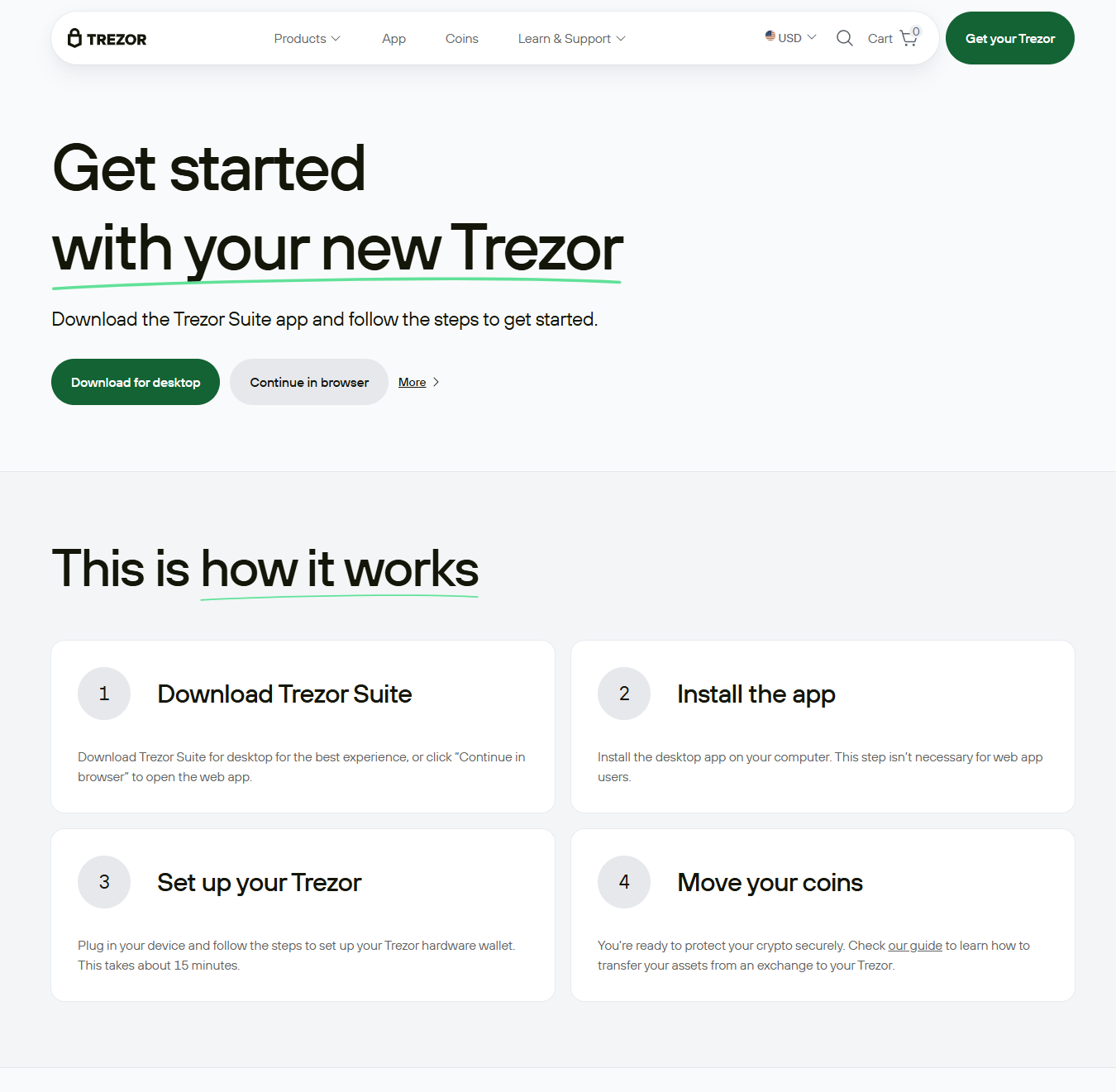
To obtain Trezor Bridge, use official Trezor resources rather than third-party download websites. Follow these general instructions:- Visit the official Trezor website at https://trezor.io/.
- Open the official guides or support section.
- Find the current Trezor Bridge instructions.
- Check whether Bridge is required for your setup.
- If a download is needed, select the version recommended for your operating system.
- Follow the official installation instructions.
How to Install and Connect Trezor Bridge
After downloading the recommended installer, follow the instructions for your operating system. Once installation is complete, restart your browser if requested. Next, connect your Trezor hardware wallet using a compatible USB cable. Open the supported wallet interface and follow the on-screen instructions. If the connection is successful, the application should be able to recognize your device. You may need to confirm certain actions directly on the Trezor hardware wallet.Key Benefits of Trezor Bridge
Device Recognition: Helps supported wallet interfaces detect a connected Trezor hardware wallet. Browser Communication: Provides a communication layer between compatible browsers and the physical device. Convenient Connectivity: Helps simplify the connection process when Bridge is required. Hardware Wallet Interaction: Supports communication for operations that require interaction with the connected device. Setup Assistance: Helps users establish the connection needed to access supported wallet functions.Security Tips for Trezor Bridge Users
Safe software installation and careful wallet usage are essential when managing cryptocurrency.- Download Trezor Bridge only from official Trezor resources.
- Keep your operating system and browser updated.
- Never share your recovery seed with anyone.
- Never enter your recovery seed into a website, computer application, or online form.
- Verify transaction details directly on your Trezor device before approval.
- Avoid suspicious links and unofficial technical-support messages.
- Store your recovery backup securely and offline.